Hey there! Hope you are having a curious and wonderful day.
It is recommended to read US IN UNIVERSE – I, first. Here in Us IN UNIVERSE – II, we’ll dive deep into the wonders of the cosmos and find the Earth and ourselves in the milky way galaxy, in our limitless universe. Let’s start our voyage!
As you’d recall from Us in Universe – I, we have imagined a glowing speck of dust, that you see when bright sunlight falls in your room, as a galaxy. And then your whole room depicts the size of an observable universe.
Somewhere in that room, is a glowing speck of dust that is our milky way galaxy, our home. A place where we eat chocolates and ice creams.
At the center of our glamorous milky way is a terrifying SUPERMASSIVE BLACK HOLE, Sagittarius A (Sgr A). It has a mass of about 4 million times the mass of the sun. Yes, the 4 million times!! (Source: NASA)
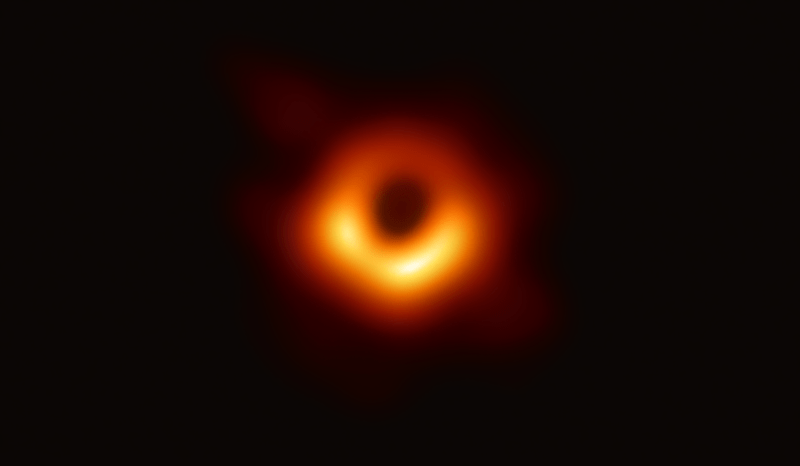
A BLACK HOLE is a place in space which have such an intense force of gravity that nothing can escape from it — not even light. (For your information: Light the fastest moving thing in the whole universe!!) Ever wonder why we call them a Blackhole and not something else? We call them a black hole because it is what they are: A BLACK VOID IN SPACE. After being a black void, how do we know that they exist? Well, that’s a story for another blog.
The Sagittarius A is about 22 million kilometers wide in radius and is a strong source of radio waves.
As we move away from the center, we go into the spiral arms of the milky way galaxy. There are two major arms: Scutum-Centaurus and Perseus. And there are also minor arms known as Spurs. The Earth is in the Orion spur which is a small, partial arm, sandwiched between the Sagittarius and the Perseus arms.
As we move through these arms to the solar system, we came across the most elegant object, the NEBULA(S), and the bright, dull stars.
In general, NEBULAS are the key to everything that came to be. They are an interstellar cloud of dust, Hydrogen, and other ionized gases. Much of the gas and dust in the nebula is debris from old stars that exploded when they ran out of fuel. Over millions of years, the material is recycled to make new stars. There are about 3000 planetary nebulas in our milky way galaxy. (Source: NASA)
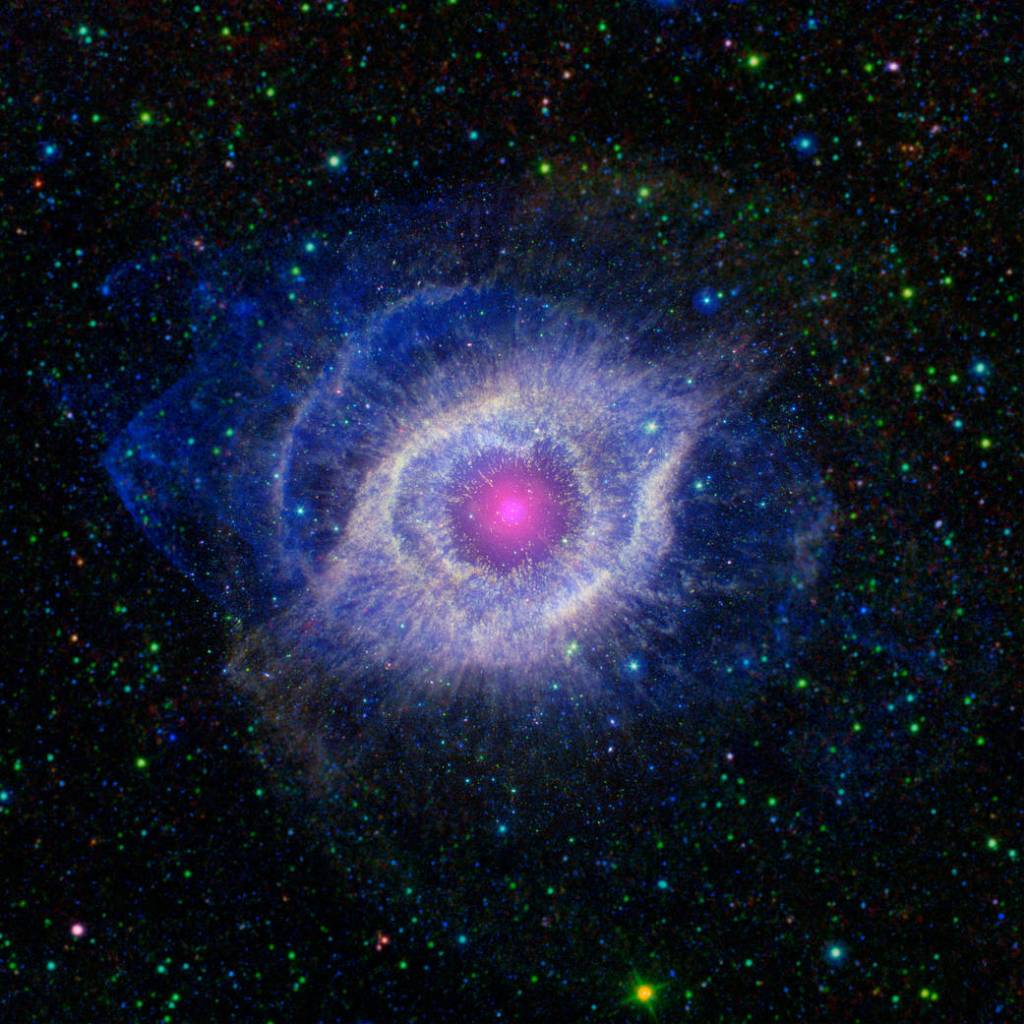
The nebula that is closest to the earth is the Helix Nebula. Radiant and Colorful. The color will certainly remind you of the festival Holi (It is an Indian celebration, full of colors).
The STARS are like extensive nuclear power plants that convert Hydrogen to Helium and are responsible for forming all kinds of elements in their core. The element from which you are made were manufactured in the core of stars. We’re stardust. Each one of us is a child of the cosmos!
Proxima Centauri is the nearest star to the earth, just 4 light-years away. Can you imagine the no. of stars that are within 50 light-years of the sun? They are about 2,000! These stars make up our Stellar neighborhood.
Somewhere safe in the Orion spur is our loveable Sun, giving us life and making the solar system exist. Our solar system orbits the center of the galaxy i.e, a supermassive black hole every 200 million years, traveling about 200 kilometers per second.
(For the best overview of the solar system visit the site: https://solarsystem.nasa.gov/planets/earth/overview/)
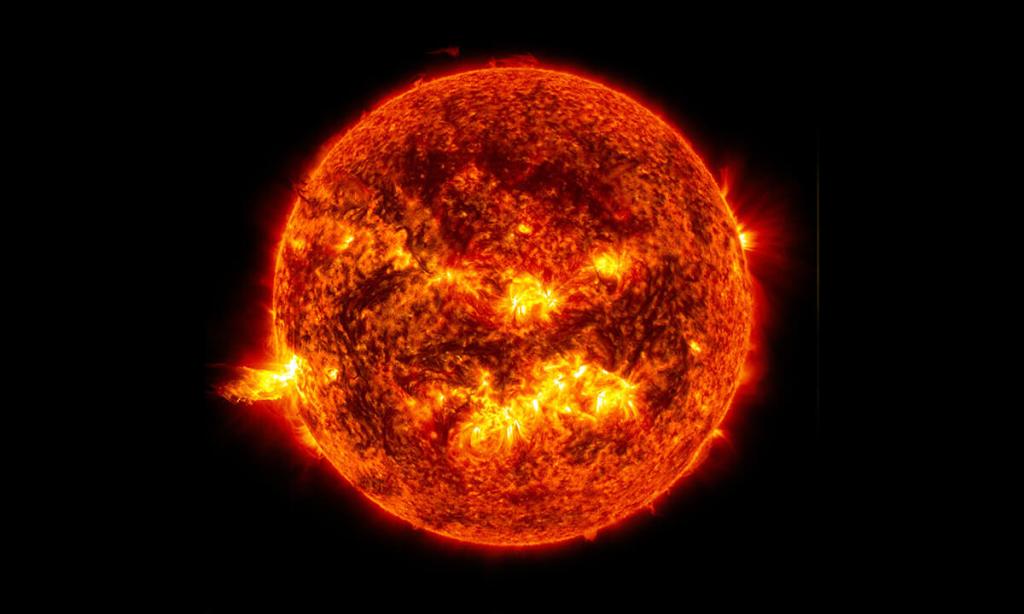
What is the solar system? In most uncomplicated terms, the Solar system is the sun and the objects that orbit around it, either directly or indirectly. The objects are gravitationally bounded to the system. It’s the mass of the sun that keeps the family trapped around it. The birth of the solar system is not an easy process. Stars and other objects condense out of the interstellar space–when material collects and compacts itself. And there are no two identical solar systems. So, you are living in a solar system that is uniquely designed and you won’t find another solar system like yours!!
Together, the sun, the eight planets, and other celestial objects make up our solar system. Sun is a star, a giant nuclear power station, 4.6 Billion years old. Sun is like a mother, who holds everyone and everything together.
The planets are the celestial object that orbits around the sun, massive enough for the gravity to be squeezed into an almost sphere. They are the children of the sun! Next to living organisms, Planets may be the most diverse and complex objects in the universe. No two planets are identical: not in their orbital paths through space nor their rotations and orientations, their atmospheres, clouds, hazes, layers, oceans or continents, or soupy molten innards. All these properties are invariably variable.
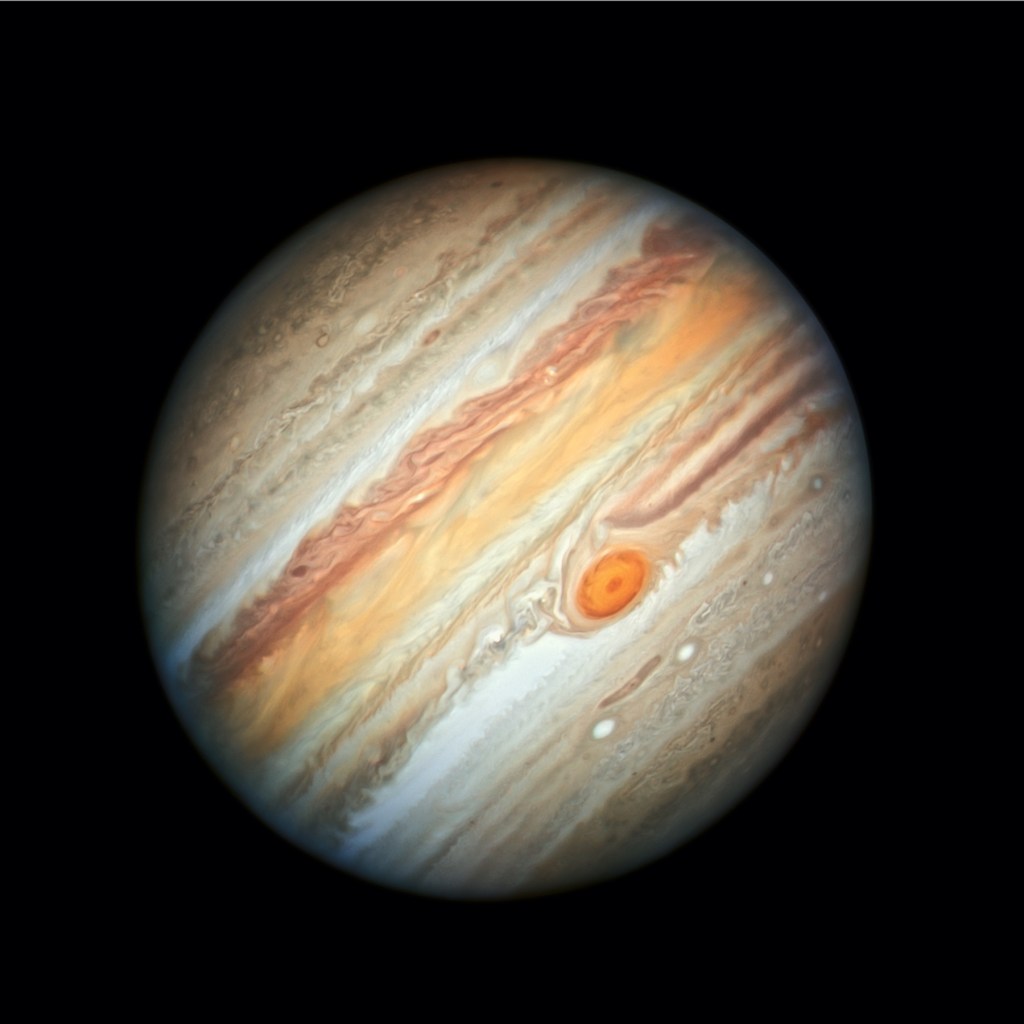
Our solar system consists of two groups of planets: inner planets, which are rocky and contain metals. These are Mercury, Venus, Earth, and Mars. Outer planets, which are gaseous and liquid. Jupiter, Saturn, Uranus, and Neptune.
There are other celestial objects such as dwarf planets, which are round in shape but are smaller than true planets, and their gravity is not strong enough to sweep their region of space clear of smaller debris. There are five dwarf planets in our solar system( according to the International Astronomical Union, the astronomy world’s official record keeper): Ceres, Eris, Haumea, Makemake, and the infamous Pluto. There is ASTEROID BELT in our solar system which is a region between planet Jupiter and mars, consisting of many irregular-shaped bodies called Asteroids. The asteroids, basically are giant space rocks. And my personal favorite, Comets. Comets are the junk of ice from the outer reaches of the solar system.
Beyond all the planets and rocky celestial bodies, further out is a vast, spherical cloud of more comets known as the Oort cloud. It is believed that the gravitational pull of the sun exists only till the Oort cloud. But there is no agreed boundary of our solar system.
Also, there are moons. Beautiful moons. Orbiting the planets, and indirectly orbiting the sun. These are the satellites of the planet and the reason behind the tides.
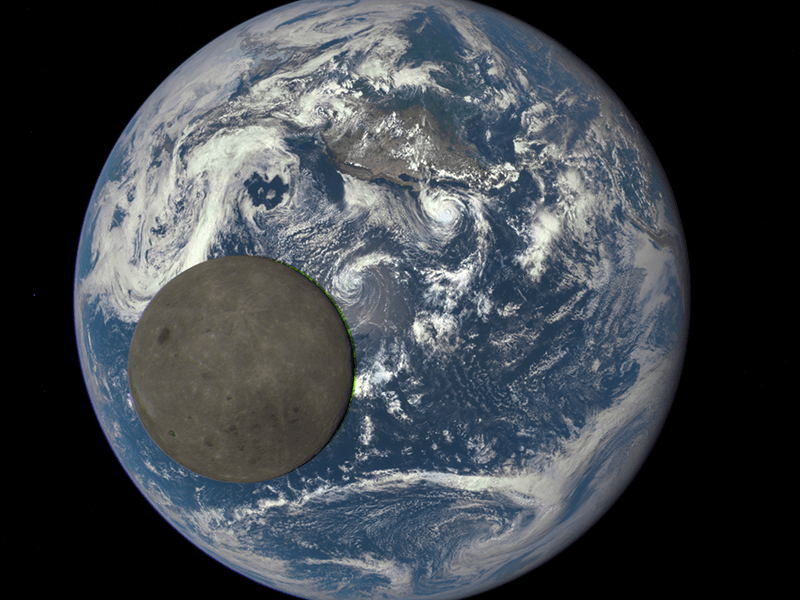
And on one of these planets is you, reading this blog. The planet EARTH. The destination of our journey. Our place in the universe.
What is Earth?
The answer depends on whom you ask.
For an astronomer, Earth is a minuscule condensation of star-stuff, the heavy-element detritus from a very-long-dead previous generation of stellar objects.
Simply, Earth is the largest of the inner planet, the only planet with liquid water on its surface, and as far as we know, it’s the only planet to harbor life. Earth is also a mixture of very old and very young. The most ancient surface rocks you hold in your hands have been dated to an age of over 3.5 billion years!
For you and me, beyond the colorful scientific waypoints, what matters the most is that Earth is part of our being. It is the place that allows us to breathe and grow up. It’s the place where you feel the ground beneath your feet. It’s the place where you experience the sun rising over the horizon in the serene morning mist. It’s the potent odor of the soil and plant life after the summer rainstorm. It’s a place where you can taste the heavens of chocolate ice cream. Earth is also restless and sometimes treacherous home for us.
Me, You, Your Family, Friends, Dogs, Cats, Horses, Couches, Windows, Beds, Pizza, Apples, Oranges, Chocolates, Laptops, iPhone, Videogames, Dirt, Clouds, Flowers, Mountains, Oceans, Snow, Rain, Sunshine, Starry nights, Coffee, Tea. Everything is on this planet Earth. The place where sometimes you see a glowing speck of dust while opening a window on a summer morning!
For a moment, just think about Earth and answer for yourself, What is Earth to you?
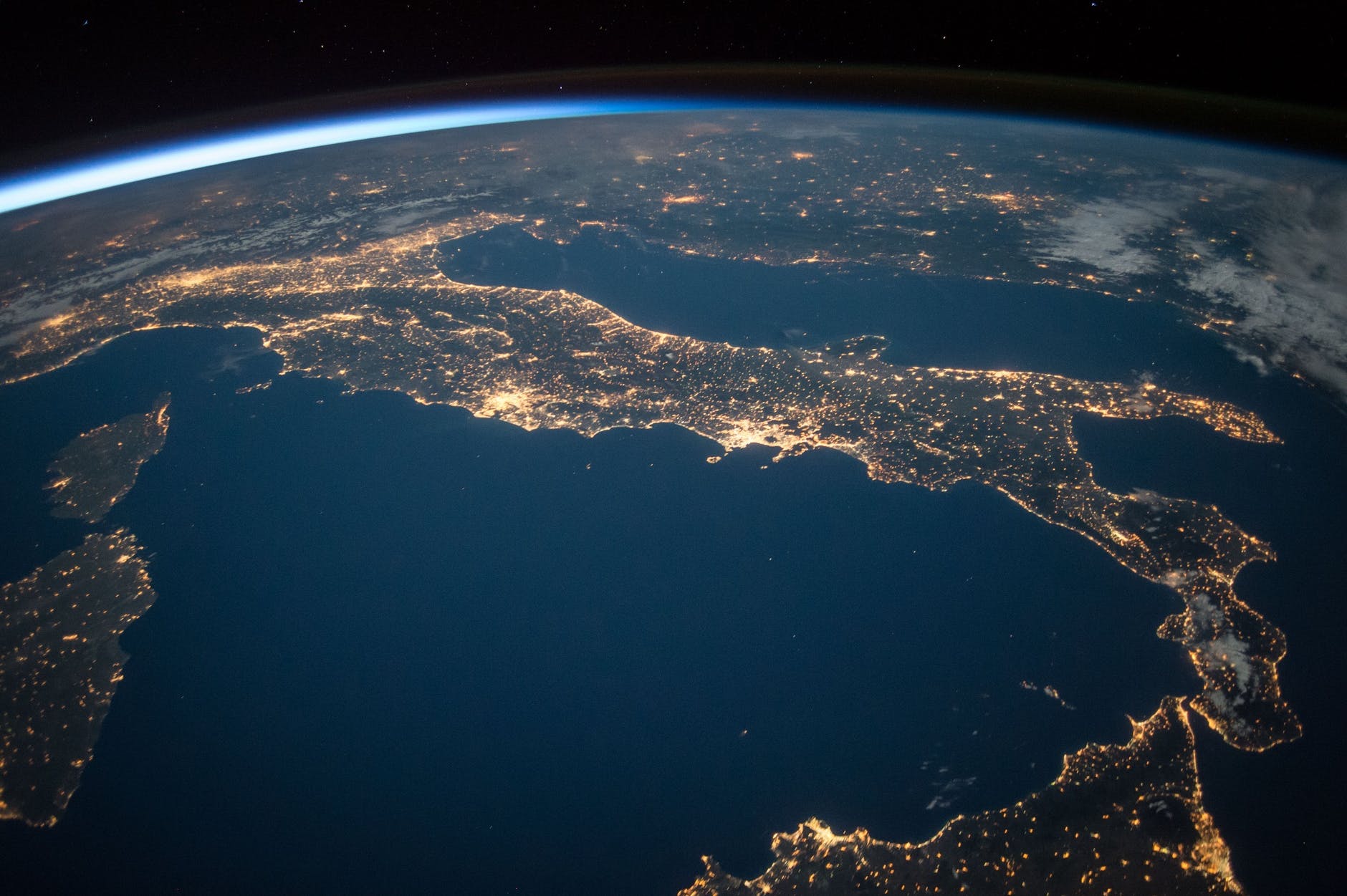
This was the story about our place in the universe. One thing to remember: we, ourselves are the small universes. The universe is within us, and we are always and forever part of it.
Hope you enjoyed the blog. If you have some questions about space, send them to me. I’ll do my best to answer them.
Stay tuned to know more about the space!
Also, don’t stop being curious. Learn something new each day. And please don’t go out without wearing a mask. Take care of yourself and your loved ones. Have a pleasant week ahead!
Thank you!
 ASTROCOSMOS
Looks like you are a huge fan of chocolate😂😁. Indeed, the entire blog was satisfactorily written. I wish to see a blog about the black hole because it’s always a great mystery for me. Keep it going.
LikeLike
Amazing
LikeLike
Nice😁😁😁
LikeLike
Awesome ☺️☺️
LikeLike
Great work!!
LikeLike
👍👍👍👍🤍
LikeLiked by 1 person
It is nicely written and well informed.
Going great 👍
Now comming to ques…
According to me Earth is the planet that is filled with emotion, express with gratitude, shine with discoveies, lived by beautiful creatures and supported with feelings, love, health and natural environment.
LikeLike
This blog is more interesting and informative then that of previous one. Also the pictures used were very relatable to what you have wrote.
And according to me, Earth is a feminine form who keeps on loving her children through the entire life. In spite of the fact that her role in their life changes with time, her love and her care for the children remain the same all the time.
LikeLiked by 1 person
Use of vocabus in adequate manner. I just love the way u had written it ✨✨.
LikeLike
Much awaited. And turns out to be so good and interesting! Website setup make me feel like im in outer space. Keep writing and spreading knowledge!!
LikeLiked by 1 person
Keep up the good work
LikeLike
i love you, you’re incredible.
LikeLiked by 1 person